
ByJohn A
The Benefits of Artificial Intelligence in Smart Manufacturing
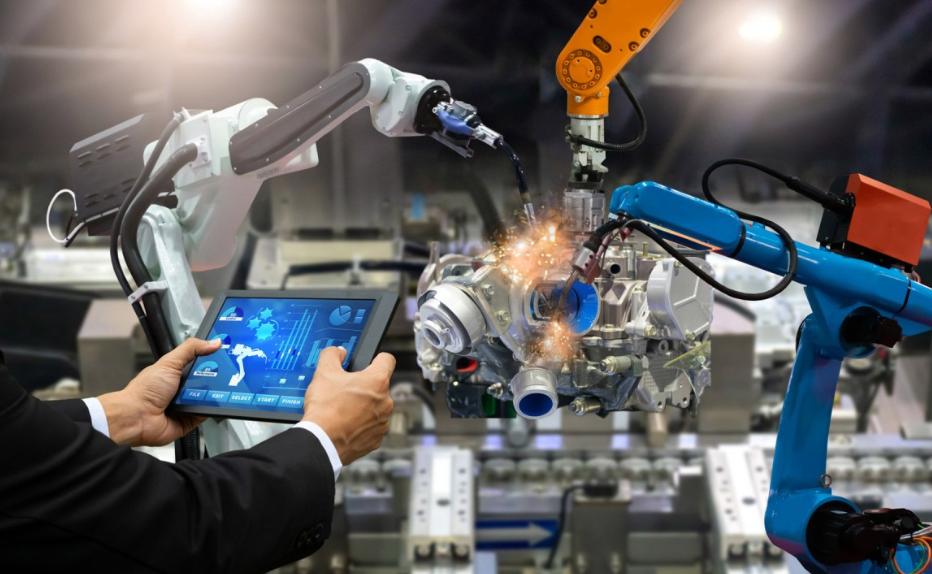
Artificial intelligence in smart manufacturing enables real-time data capture and intelligent analytics that expose bottlenecks and optimize schedules. It supports predictive maintenance, autonomous decision-making, and data-backed insights to reduce downtime and extend asset life. Governance and human oversight ensure ethical deployment and safety. Adaptive decision loops translate shop-floor actions into strategic gains. The result is resilient operations and sustained competitiveness, though the path requires careful integration and continuous evaluation to realize its full impact.
How AI Drives Smarter Manufacturing Operations
AI drives smarter manufacturing operations by enabling real-time data collection and analysis across the production lifecycle. The approach centers on workflow analytics to map processes, identify bottlenecks, and quantify improvements.
Strategic governance preserves autonomy while enabling experimentation. Humans in the loop remain essential for judgment and oversight, ensuring ethical deployment, safety, and continuous learning within a transparent, adaptable operational framework.
Real-Time Optimization: Scheduling, Quality, and Downtime Reduction
Real-Time Optimization focuses on aligning production schedules, quality assurance, and downtime management through continuous data-driven adjustments. This approach analyzes real time scheduling, identifies production bottlenecks, and implements rapid pivots to maintain throughput. It supports quality optimization by correlating process parameters with output, while downtime reduction minimizes unplanned stops, enabling autonomous, strategic decision-making and smoother, freedom-enhancing production flow.
Predictive Maintenance and Reliability for Longer Asset Life
Predictive maintenance and reliability strategies leverage sensor data, historical failure patterns, and machine learning to forecast component wear and anticipate faults before they manifest.
This approach enables proactive scheduling, minimizes unexpected downtime, and extends asset life.
Reliability analytics quantify risk, inform condition-based interventions, and optimize spare part inventories, while preserving operational autonomy and freedom to innovate within disciplined maintenance governance.
predictive maintenance.
Data-Driven Decision-Making: From Insights to Action on the Floor
Data-driven decision-making on the shop floor converts analytics into actionable steps, aligning insight with operational execution to optimize throughput and quality.
Analytical mechanisms translate dashboards into targeted actions, fostering disciplined responsiveness.
With workflow transparency and robust data governance, teams align goals, manage exceptions, and sustain continuous improvement.
Strategic, concise decision loops reduce waste, enhance accountability, and empower operators to execute with confidence.
Frequently Asked Questions
How Secure Is AI in Protecting Sensitive Manufacturing Data?
AI systems offer robust security for sensitive data, yet vulnerabilities persist; organizations weigh cost benefit tradeoffs, implement privacy protection, and monitor vendor risk, while workforce transformation and ethics compliance shape governance beyond merely secure data.
What Are the Initial Costs for AI Implementation?
A lone sailor surveys a fogged harbor: initial costs anchor the ship, while sails billow toward ROI duration. In analysis, stakeholders weigh hardware, software, integration, and training, balancing upfront investments against long-term efficiencies and strategic freedom.
Can AI Systems Replace Human Labor Entirely?
AI autonomy cannot fully replace human labor; it enables strategic labor replacement where appropriate, while preserving oversight. The analysis indicates a balance: automation augments capabilities, yet human judgment remains essential for complex decisions and ethical considerations.
How Long Is the Typical ROI Period for AI in Manufacturing?
ROI timing for AI in manufacturing typically spans 12–36 months, depending on scope and data quality; strategic deployments may shorten it. Data security concerns influence timelines and governance, shaping risk management and measured, freedom-loving stakeholders’ confidence.
What Standards Govern AI Ethics in Production Environments?
AI governance and data ethics are not universally fixed; they hinge on standards like ISO/IEC JTC 1/SC 42, IEEE, and NIST frameworks, emphasizing transparency, accountability, risk management, and auditable decision-making in production environments.
Conclusion
In a world where machines think faster than managers, AI promises flawless efficiency and flawless ethics. Irony aside, the data-driven paradox holds: decisions become faster, yet governance must tighten; downtime shrinks, but vigilance must rise; quality improves, yet auditors never sleep. The strategist notes the tension: real-time optimization meets human oversight, and predictive maintenance requires predictable accountability. The result is not magic, but calibrated discipline—an performance-driven, error-checked path toward resilient, smarter manufacturing, where insight and action finally share the same clock.